
Understanding PCOS
PCOS explained simply — the signs to look for, why it happens, how it is diagnosed, and the treatments that genuinely help.
Polycystic ovary syndrome — PCOS — is one of the most common hormonal conditions in women of reproductive age, and one of the most misunderstood. Studies in India suggest it affects somewhere between one in five and one in ten women. Many go years without a diagnosis, because the symptoms are easy to dismiss individually.
What PCOS actually is
Despite the name, PCOS is not really about cysts. The "cysts" seen on an ultrasound are actually small immature follicles — eggs that started to develop but never released. The real problem is hormonal: the ovaries produce slightly more androgens (male-type hormones) than usual, and ovulation becomes irregular or stops.
That single disruption explains almost every symptom that follows. If you don't ovulate regularly, periods become unpredictable. Higher androgens cause acne and unwanted hair. And many women with PCOS also have insulin resistance, which makes weight harder to manage and drives the hormonal imbalance further.
Signs worth noticing
No two women present identically. You do not need all of these to have PCOS:
- Irregular or missing periods — cycles longer than 35 days, or fewer than eight periods a year
- Acne that persists past the teenage years, especially along the jawline
- Excess hair growth on the face, chest or abdomen (hirsutism)
- Hair thinning on the scalp
- Weight gain, particularly around the middle, or difficulty losing weight
- Difficulty conceiving — often the reason women first come in
- Darkened skin patches on the neck or underarms, a sign of insulin resistance
Why it happens
There is no single cause. PCOS tends to run in families, so genetics play a real part. Insulin resistance is central for many women: when the body's cells respond poorly to insulin, the pancreas produces more of it, and high insulin levels push the ovaries to make more androgens. Low-grade inflammation and lifestyle factors interact with all of this.
What matters practically is this — PCOS is not caused by anything you did, and it is manageable.
How it's diagnosed
Diagnosis uses the Rotterdam criteria: you need two of the following three.
- Irregular or absent ovulation
- Clinical or blood-test evidence of raised androgens
- Polycystic-appearing ovaries on ultrasound
In practice a consultation usually involves a detailed history of your cycles, an examination, a pelvic ultrasound, and blood tests — typically hormone levels, thyroid function, prolactin, and a check of blood sugar and insulin. Other conditions that mimic PCOS, particularly thyroid disorders, must be ruled out first.
Treatment options
Treatment depends entirely on what is troubling you and whether you are trying to conceive. There is no one prescription.
Lifestyle changes
This is genuinely the first-line treatment, not a consolation. Even a 5–10% reduction in body weight can restore regular ovulation in many women. Resistance training and reducing refined carbohydrates help insulin resistance more than crash dieting does.
Medication for cycles and symptoms
Combined hormonal contraceptives regulate periods, reduce acne and control excess hair growth. They protect the uterine lining too — important, because long gaps between periods raise the long-term risk of endometrial problems.
Insulin-sensitising treatment
Metformin is often used where insulin resistance is prominent, and can help restore cycles alongside lifestyle change.
If you're trying to conceive
Ovulation-induction medication is usually the starting point, with follicular tracking by ultrasound to time things properly. Most women with PCOS conceive with relatively simple treatment; a minority need to progress to IUI or IVF.
PCOS is a long-term condition, but it is not a life sentence, and it does not mean you cannot have children. Most women who want to conceive, do.
When to see a doctor
Book a consultation if your cycles are consistently longer than 35 days, if you've had fewer than eight periods in a year, if acne or hair growth is worsening, or if you've been trying to conceive for a year without success (six months if you're over 35).
Beyond fertility, PCOS carries a raised long-term risk of type 2 diabetes and cardiovascular disease. That's a strong reason to get it identified and monitored early, even if you're not planning a pregnancy.
General information, not medical advice. This article explains common situations in general terms. It cannot account for your individual history, and it is not a substitute for a consultation. If something here applies to you, please book an appointment or call +91 72869 11911.
Sharada's Urban Clinic
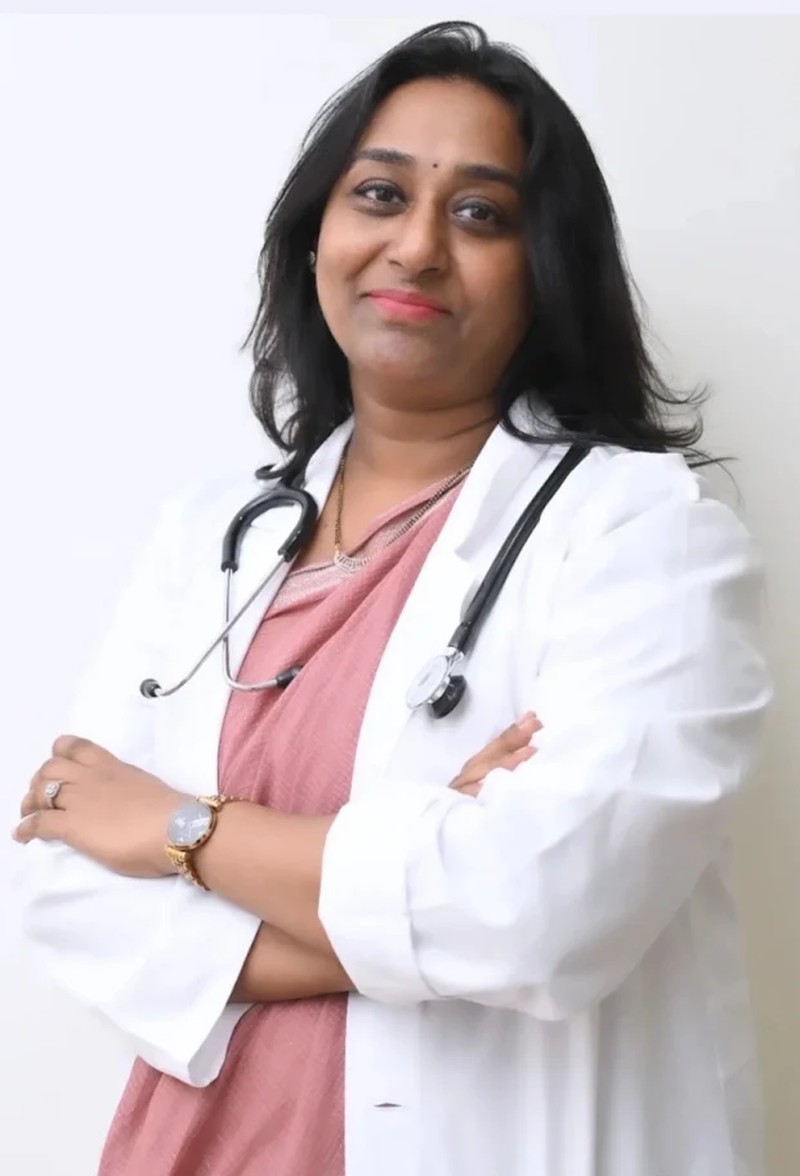
Women's health, pregnancy and child care in Madhura Nagar, Hyderabad — led by Dr. Deepthi Raidu, MBBS, MS (OBG).
About the clinicQuestions about your own situation?
Book a consultation, or call the clinic during opening hours — Mon to Sat, 5:00 PM to 8:30 PM.
Related articles
The childhood vaccination schedule
Which vaccine is due when, what each one protects against, what to do about missed doses, and how to handle side effects.
Your first antenatal visit
What happens at your first pregnancy check-up: when to book, what to bring, which tests are ordered and the questions worth asking.
High-risk pregnancy, explained
What makes a pregnancy high-risk, the conditions involved, the extra monitoring it needs, and the warning signs to act on.